Наука••NEXORA Editorial•Ars Technica
Researchers implant human brain cells into a mouse cortex



Summary
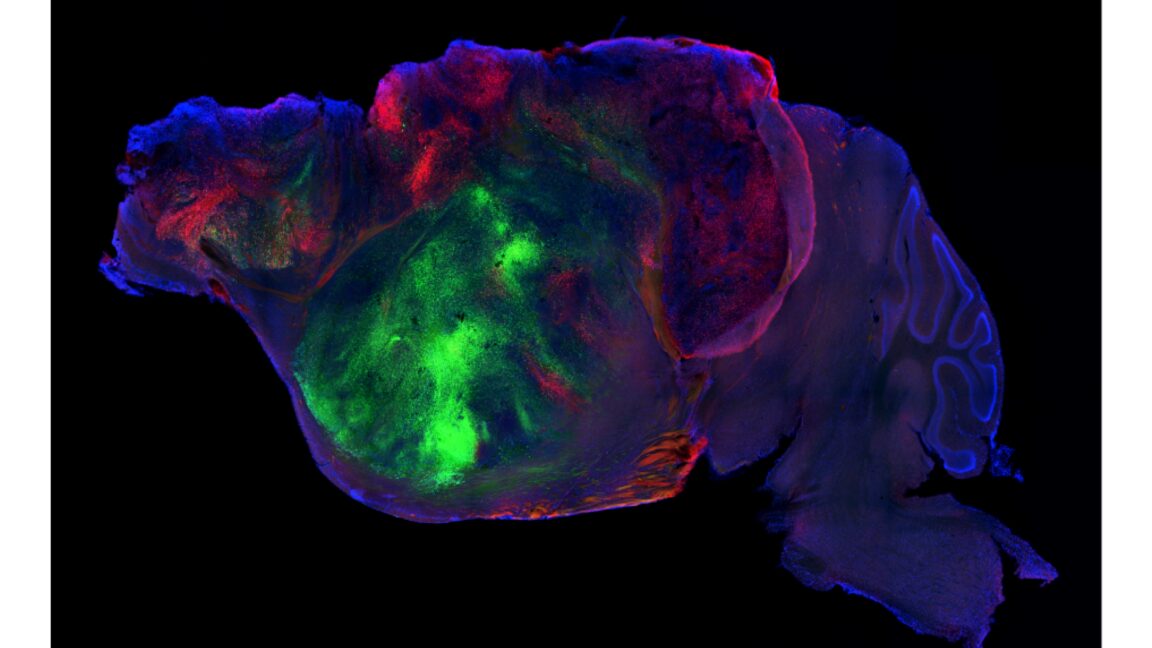
Researchers implanted human brain cells into a mouse cortex. The reported outcome was only a slight improvement compared with having the entire brain structure absent. No further methodological or outcome details were provided.
Details
Researchers implanted human brain cells into the cortex of a mouse, according to the provided information. The report does not include further details about the goals or design of the experiment.
The available information states that this intervention produced only a slight improvement compared with cases where the entire brain structure was missing. No specific results, quantitative measures, or descriptions of observed changes were supplied.
The source does not clarify what type of human cells were used, how they were introduced, or what subsequent steps researchers took. There are no timelines, ethical approvals, or community responses included in the material.
Given the limited source material, no conclusions can be drawn beyond the reported fact that the effect amounted to a minor improvement relative to an absent brain structure.
NEXORA AI — Why it matters
The finding indicates only marginal functional gain from replacing mouse cortical tissue with human brain cells, suggesting limited immediate implications based on the provided data.
NEXORA PRO
Unlock detailed analysis, key facts, context, story developments, source comparisons, a personalized feed and smart alerts.
Explore NEXORA PRO