Наука••NEXORA Editorial•Ars Technica
Rare brain cells with broad connectivity appear capable of triggering sleep



Summary
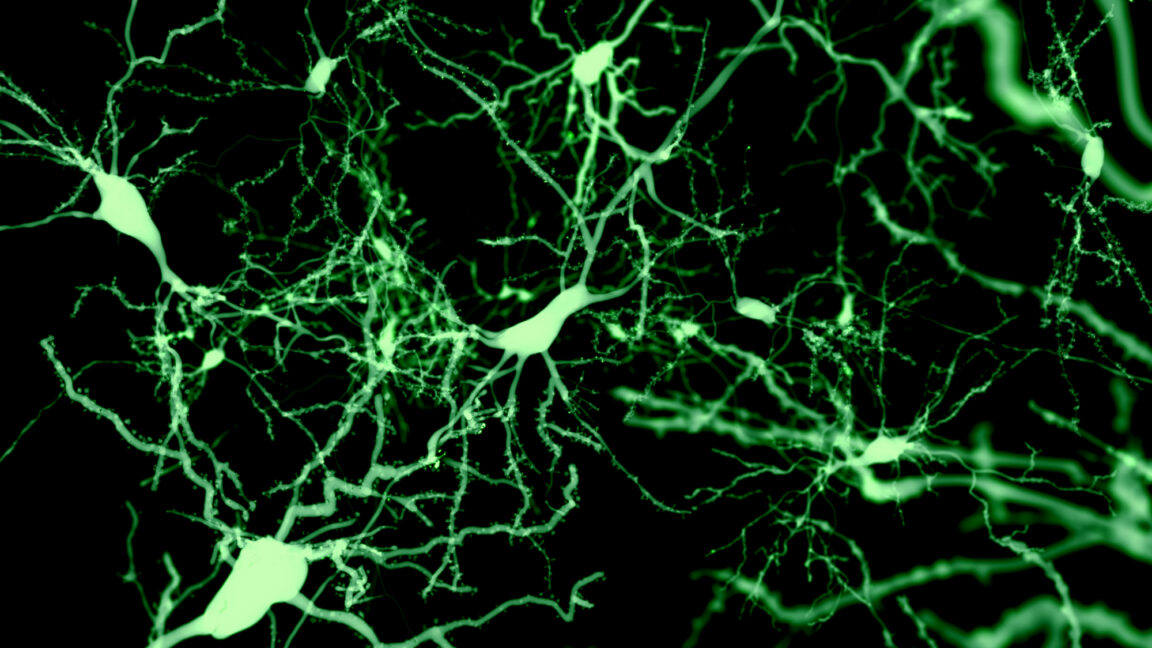
Researchers report that rare neurons with widespread connectivity appear capable of initiating sleep. The available information notes these cells are uncommon and form extensive connections across the brain. No further details were provided about methods, species, or exact brain regions. There is no information yet on implications or practical applications.
Details
Source information indicates that researchers have identified rare cells that appear able to trigger sleep. These cells are described as uncommon and having widespread connectivity in the brain.
The available material does not specify the biological species studied, the experimental methods used, or the precise brain structures where these cells are located. No experimental results, numbers, or published references were provided.
The emphasis in the information is on the cells' extensive connectivity and its apparent association with their ability to induce sleep. It is not specified whether the effect was observed under different conditions or how robustly sleep can be induced.
The provided summary contains no quotes from researchers, no citations of scientific papers, and no additional contextual explanation. There is also no information on potential clinical or practical consequences of the finding.
Given the limited source material, this article does not speculate about mechanisms of action, possible applications, or future research directions. All statements are based solely on the provided description that rare cells with widespread connectivity seem to be able to trigger sleep.
NEXORA AI — Why it matters
Identifying specific cells able to trigger sleep could guide further research into how sleep is regulated in the brain.
NEXORA PRO
Unlock detailed analysis, key facts, context, story developments, source comparisons, a personalized feed and smart alerts.
Explore NEXORA PRO